



Inclusive Internationalization: Expanding Access and Equity in Higher Education Programs
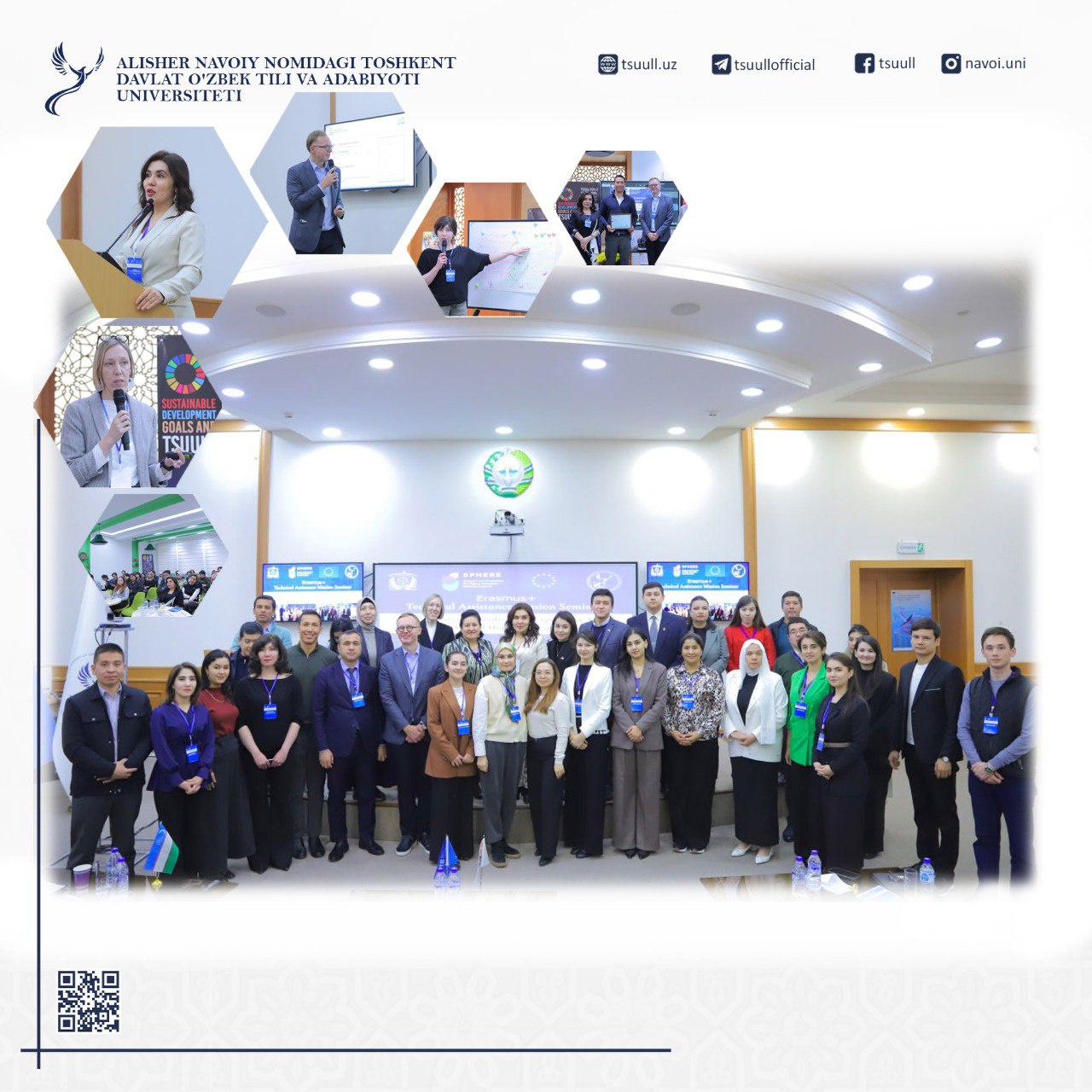
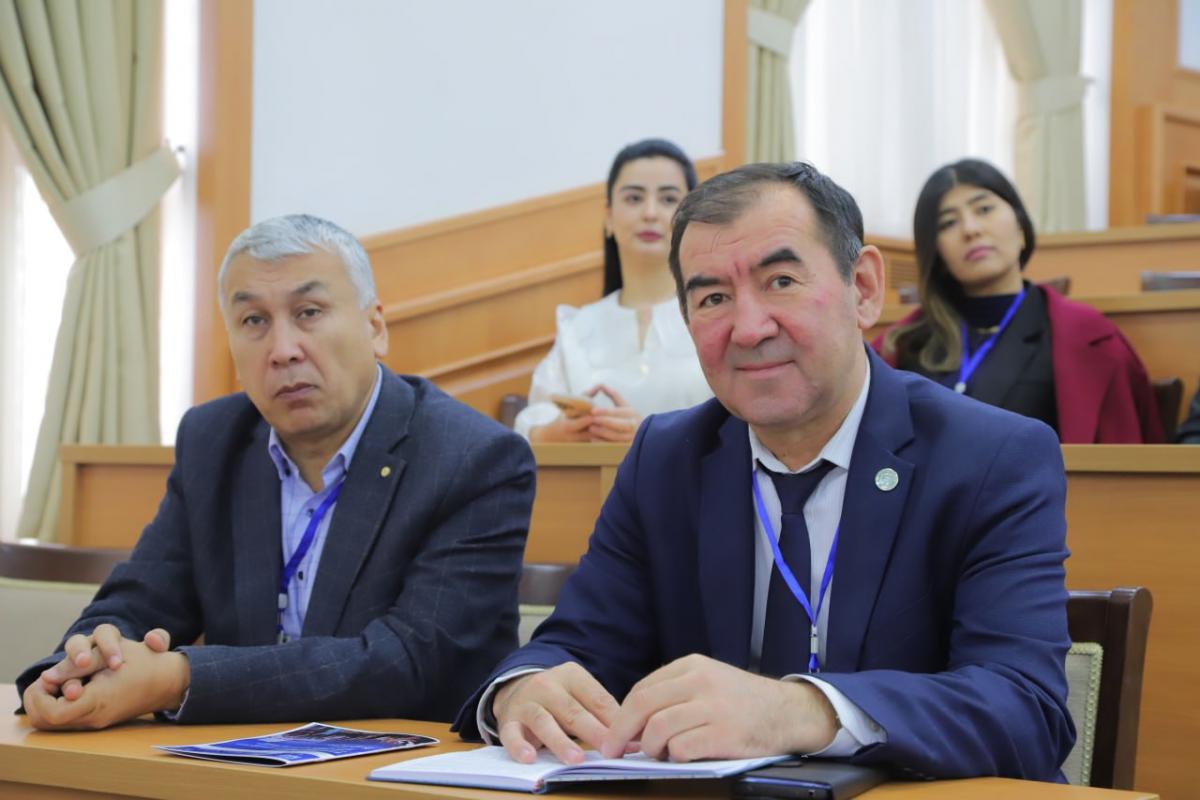
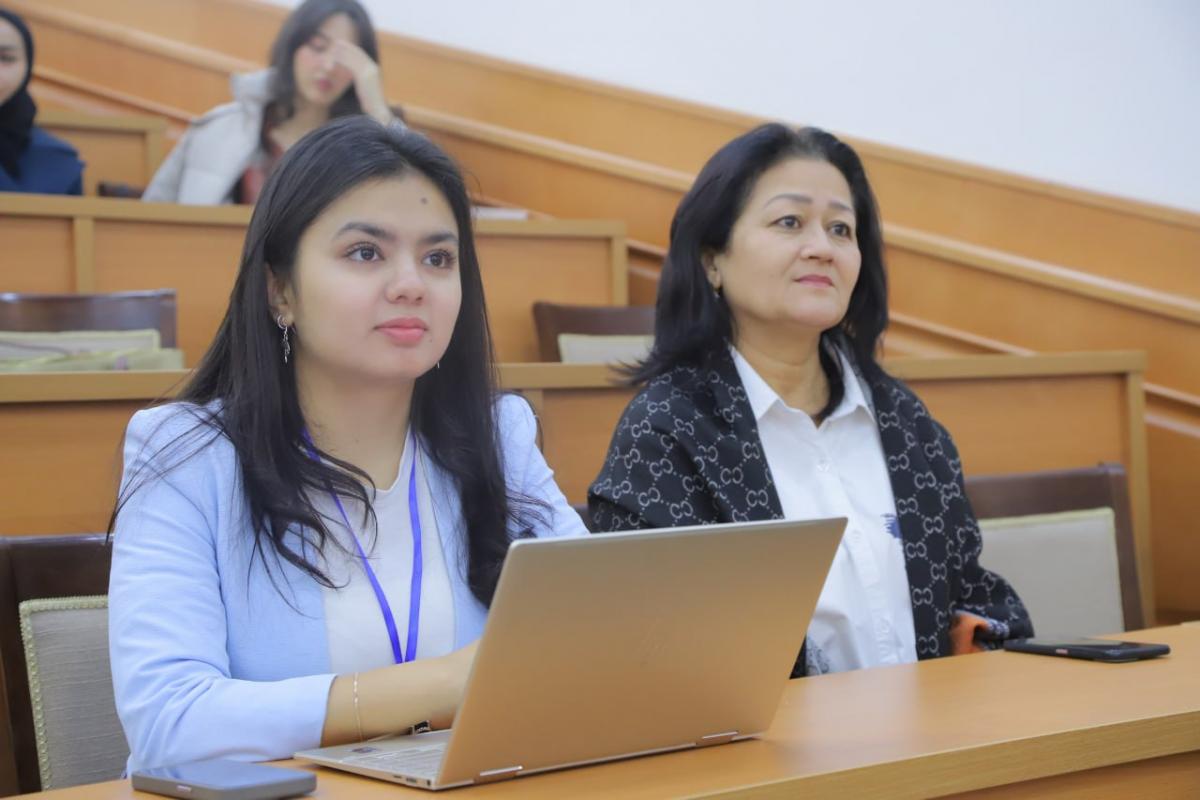
On 4–5 December 2025, a two-day seminar titled “Inclusive Internationalization: Expanding Access and Equity in Higher Education Programs” was held within the framework of the European Union’s Technical Assistance Mission (TAM), jointly organized by the Ministry of Higher Education, Science and Innovations of the Republic of Uzbekistan, the National Erasmus+ Office in Uzbekistan, and the Alisher Navo’i Tashkent State University of Uzbek Language and Literature (TSUULL). The event was conducted under the activity of Higher Education Reform Experts (HERE) of the Erasmus+ Programme and served as an important platform for dialogue dedicated to advancing inclusive international cooperation in Uzbekistan’s higher education system.
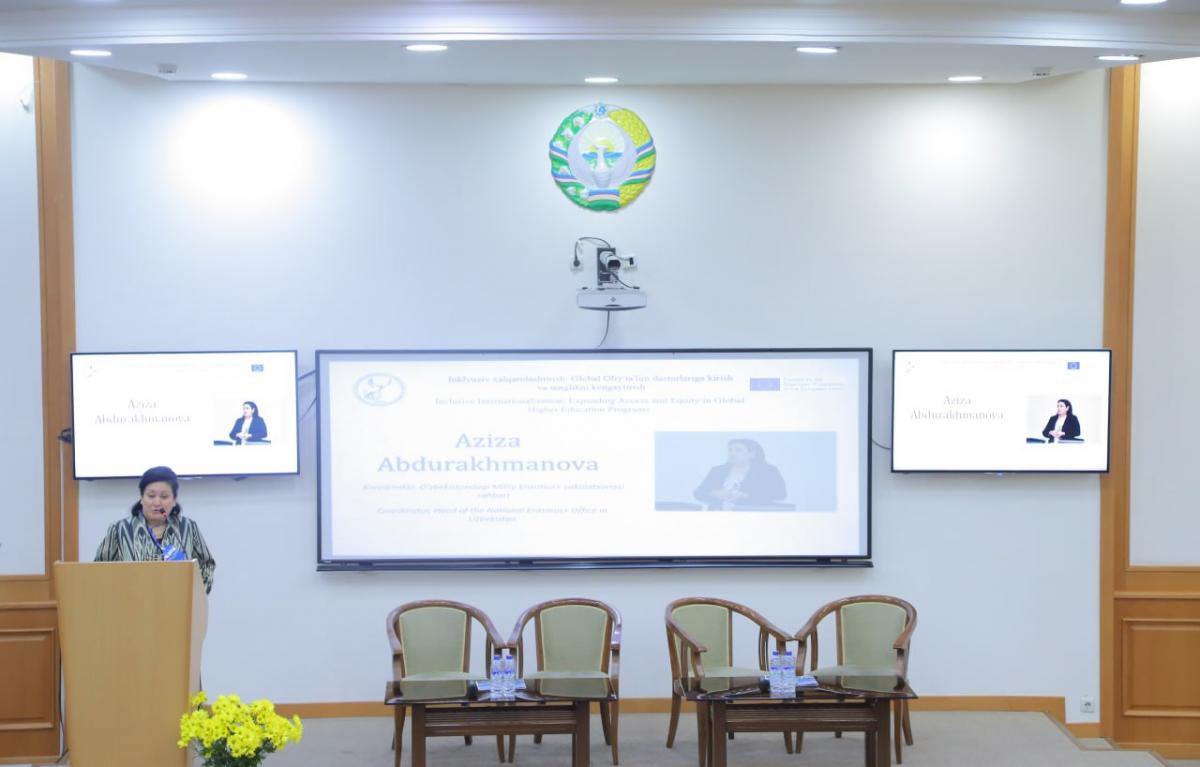
The seminar opened with welcoming remarks by representatives of the Ministry of Higher Education, Science and Innovations, Head of the National Erasmus+ Office Aziza Abdurahmanova, and TSUULL Vice-Rector and HERE expert Professor Nozliya Normurodova. In their messages, they emphasized that at a time when global competition in the field of education is intensifying, it is essential to make the principles of inclusiveness and equal opportunities an integral part of international cooperation policies.
The main speakers of the seminar were European higher education experts Ninoslav Šćukanec Schmidt and Ana Skledar Matijević. In the first session, they provided an overview of the role of diversity, equity, inclusion, and social dimension in EHEA (European Higher Education Area) policies, analyzing the significance of inclusive internationalization in the global education landscape. Their presentations offered a detailed explanation of the economic, social, and institutional barriers encountered in international mobility, the necessity of thoroughly studying students’ needs, and the mechanisms for reducing inequalities in access to international opportunities.
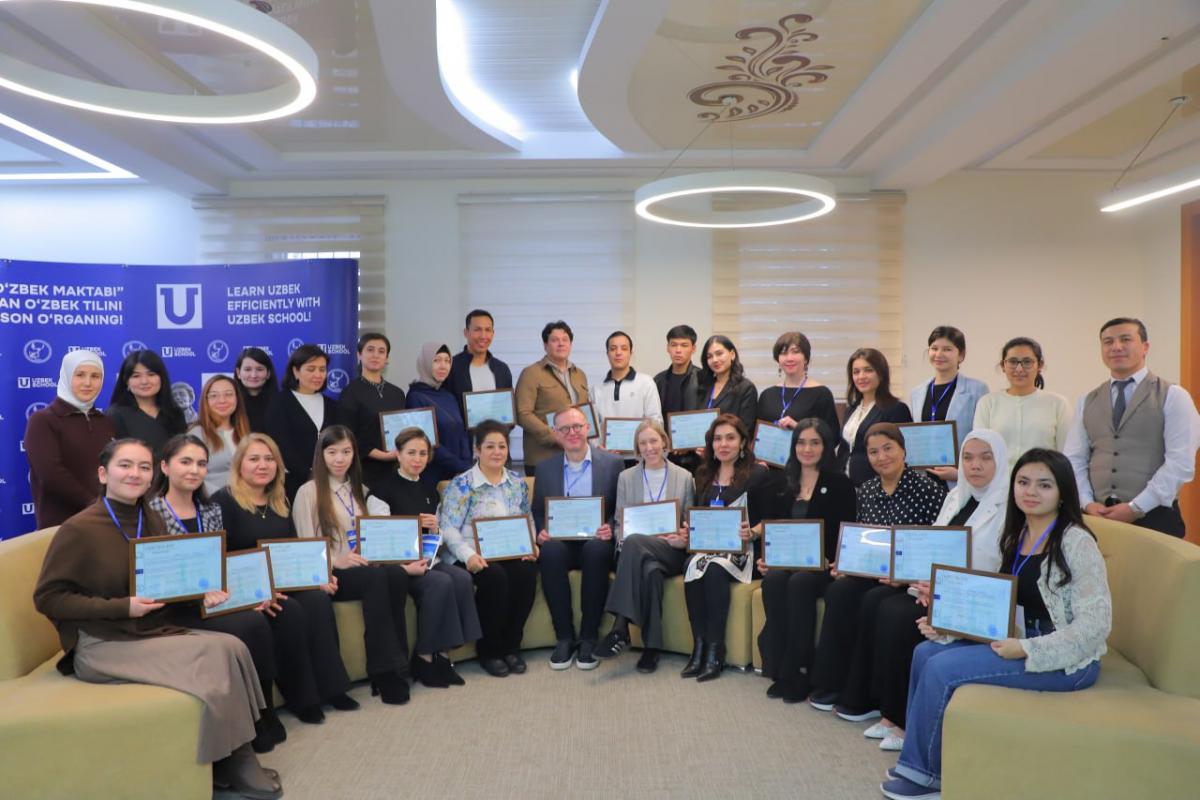
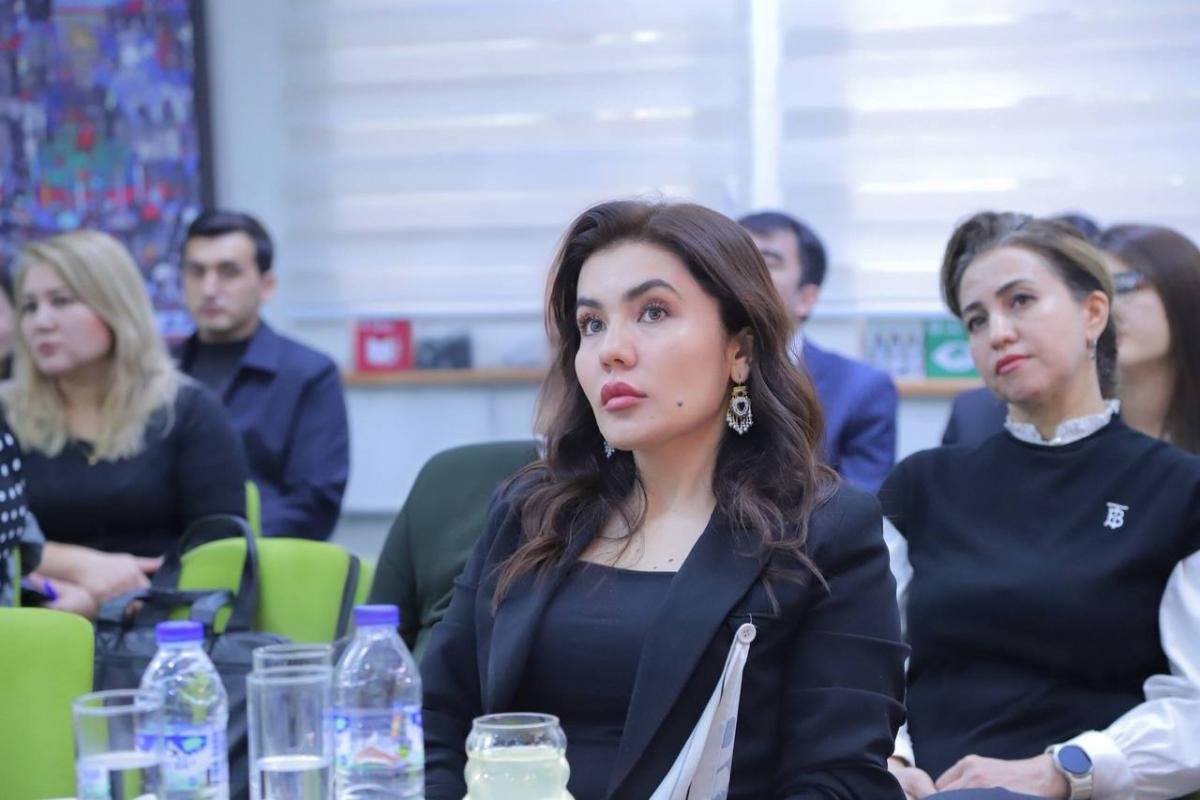
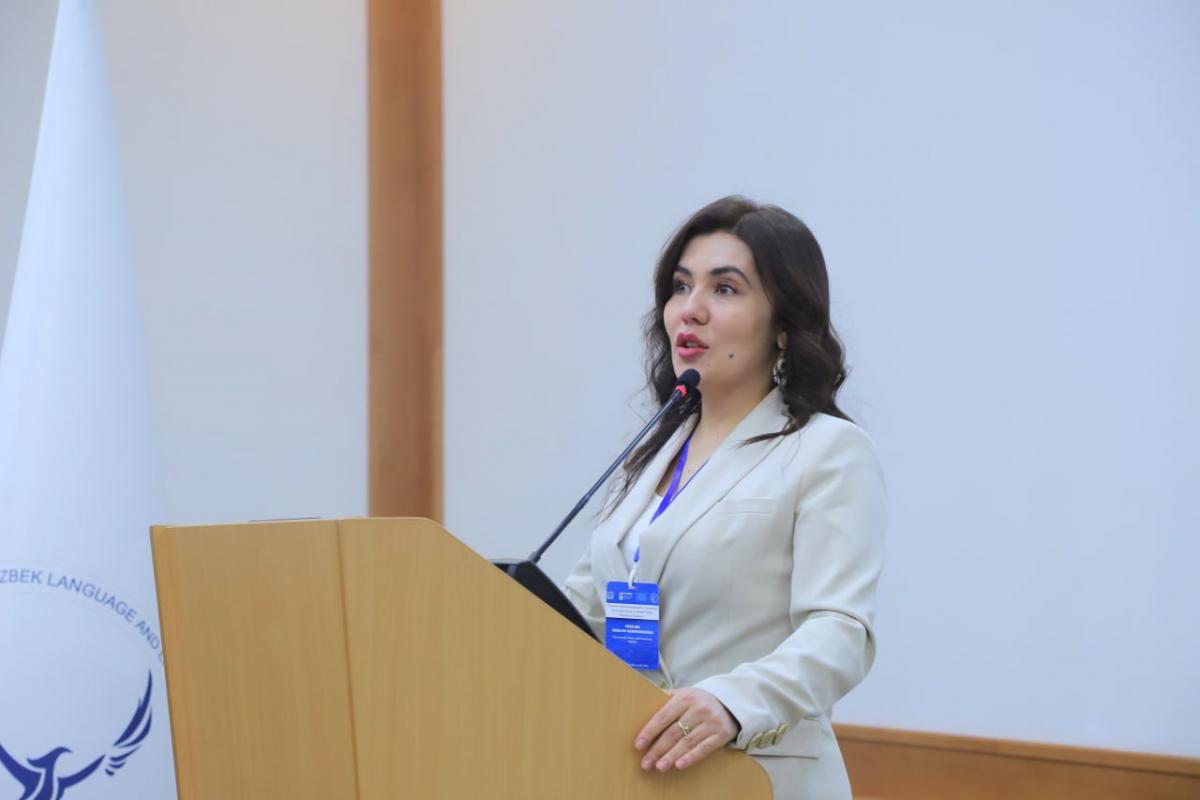
TSUULL’s role as the host institution was acknowledged with appreciation. Within the seminar, TSUULL Vice-Rector and HERE expert Professor Nozliya Normurodova delivered an extensive, analytical, and forward-looking presentation. She highlighted current challenges in integrating Uzbekistan’s higher education institutions into the global academic space, the priority areas of international cooperation for national universities, and the importance of embedding inclusiveness deeply into institutional policies. Normurodova stressed that in the current stage of international cooperation, universities must not focus solely on rankings but also on strengthening their position in the global education space, ensuring fair opportunities for different groups of students, and aligning cooperation processes with principles of social responsibility.
The seminar’s keynote speakers, Ninoslav Šćukanec Schmidt and Ana Skledar Matijević, are leading experts in inclusive policies, social dimension, international cooperation, and quality assurance within the EHEA. Ninoslav Šćukanec Schmidt, Director of the Institute for the Development of Education in Croatia, has extensive experience in higher education policy, international cooperation, social dimension, equity, and justice. He has led several EHEA working groups on social dimension and is recognized as a leading expert in projects aimed at strengthening inclusive international education across Europe. His presentations covered practical policy mechanisms, indicators, strategic planning, and alignment of higher education systems with international standards.
Ana Skledar Matijević, with more than 25 years of expertise in higher education policy, inclusive education, international cooperation, student diversity, qualifications frameworks, and quality assurance, manages projects and research at the Institute for the Development of Education. During the seminar, she provided in-depth analyses of inclusive mobility practices, international education models grounded in social justice principles, and student-centered support systems.
The practical experience and policy-oriented approaches of both experts offered highly relevant, applicable, and strategic insights for representatives of higher education institutions in Uzbekistan. Their recommendations contribute to enhancing inclusive international cooperation, strengthening institutional policies, and aligning Uzbekistan’s higher education system with global standards.
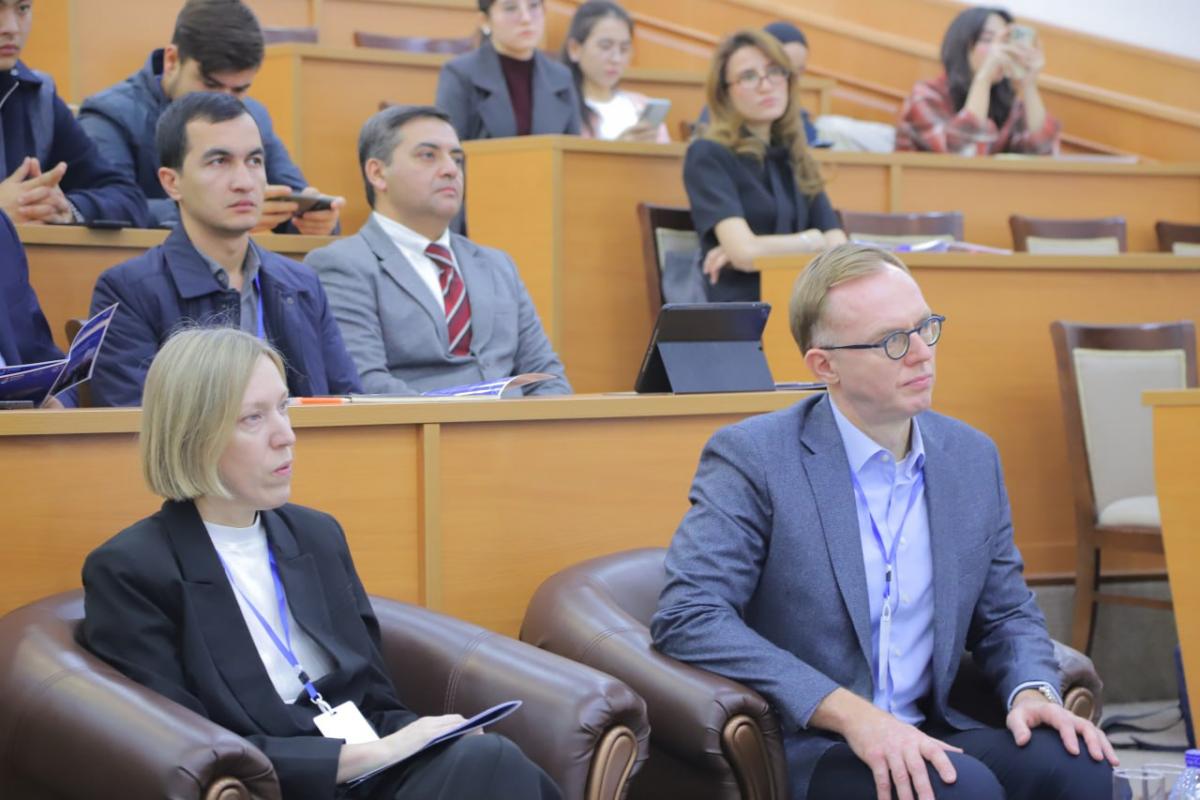
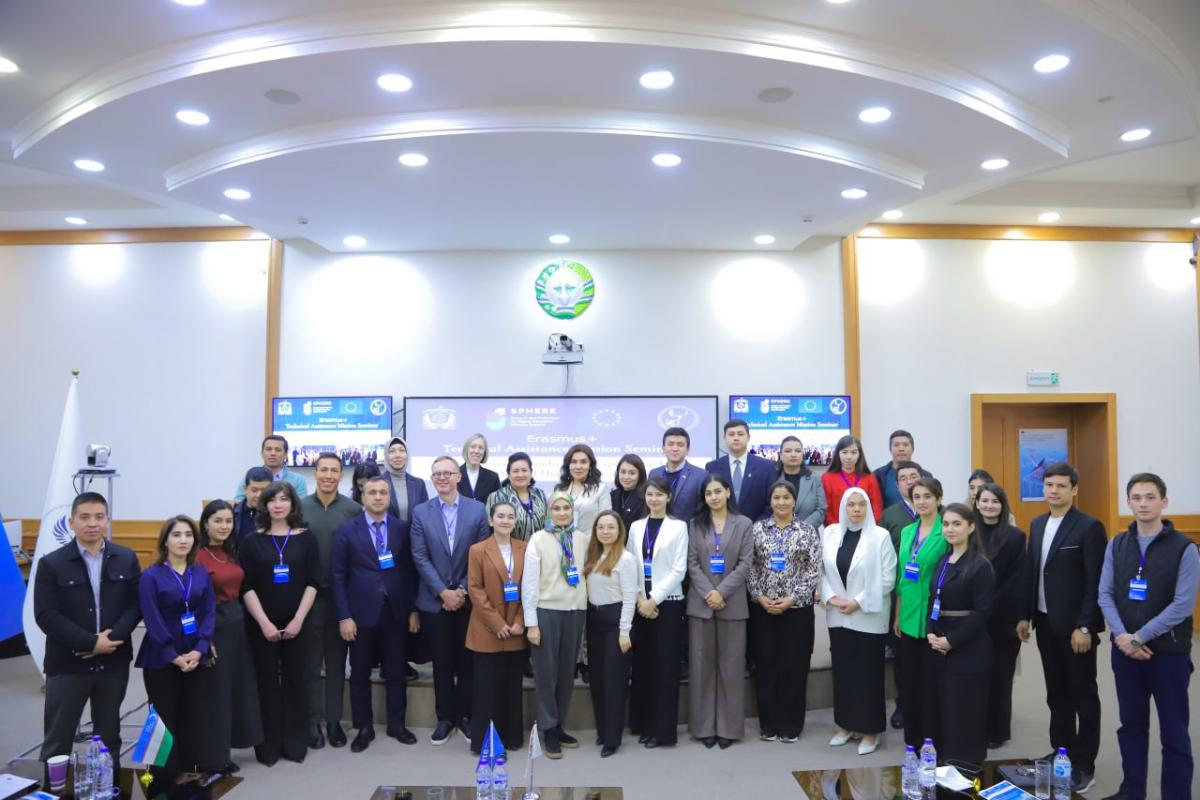

The second day of the seminar focused on deeper analytical and strategic discussions, including the integration of inclusive internationalization into institutional policies, the development of sustainable international cooperation models, and improvements to monitoring and evaluation systems based on modern indicators. The experts explained the essence of indicator systems, data collection mechanisms for identifying student needs, and analytical approaches used in international practice to assess inclusiveness. These sessions once again underscored the necessity of treating inclusiveness not as an isolated initiative but as a key element of strategic institutional management in Uzbekistan’s higher education.
By the end of the seminar, participants developed recommendations for integrating inclusiveness into each university’s strategic development documents, establishing sustainable and mutually beneficial international cooperation models, expanding mobility support services, creating special opportunities for students with fewer resources, and improving the system of indicators used to evaluate inclusiveness.
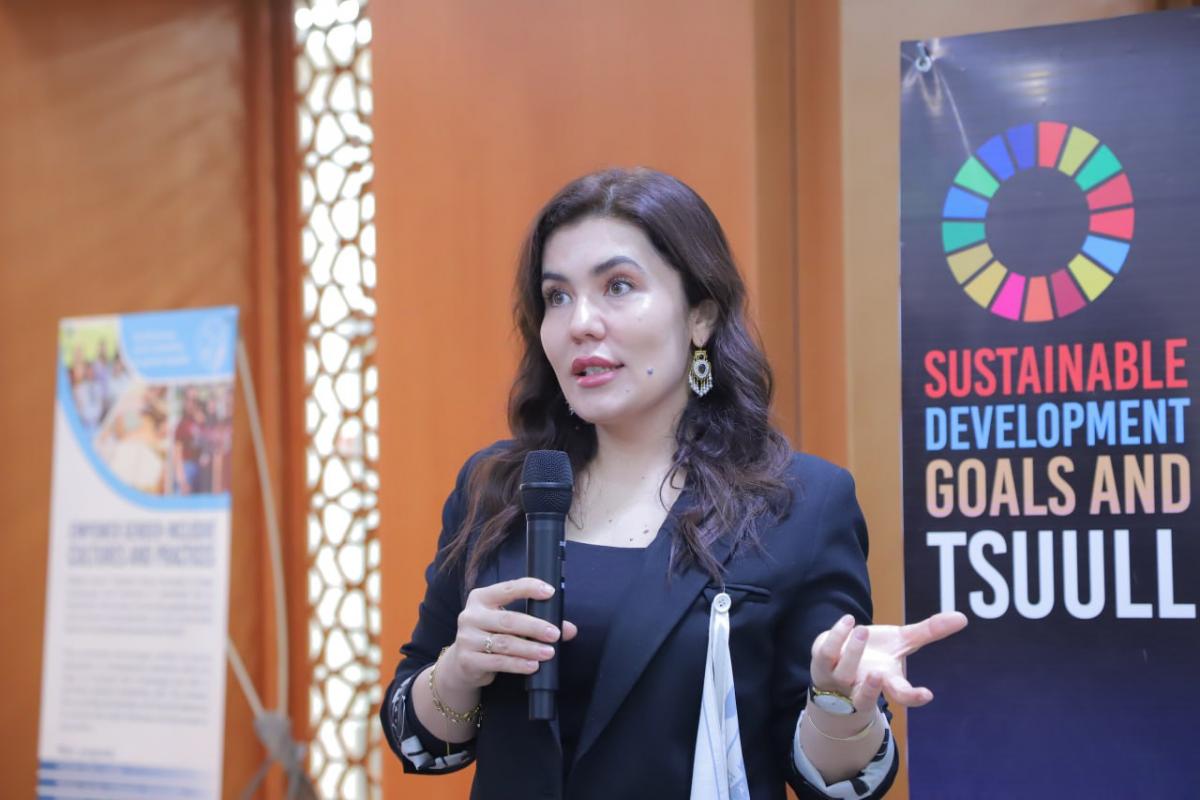
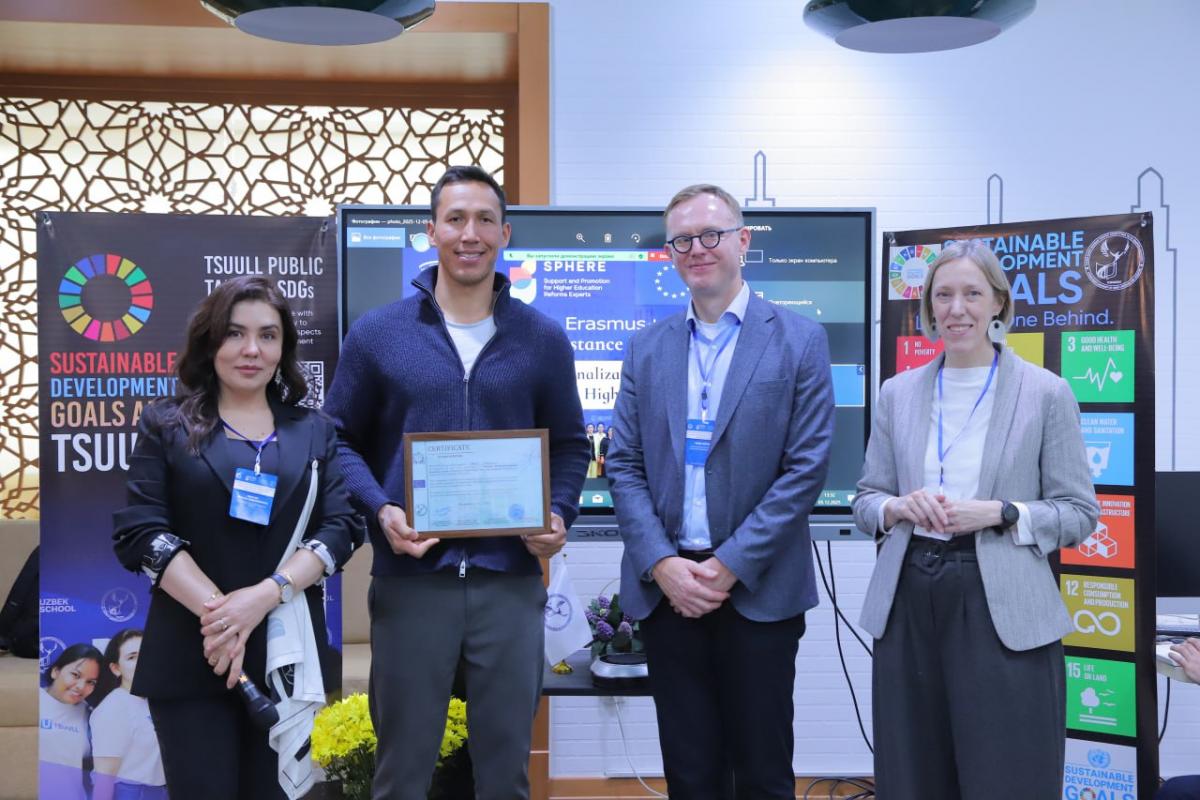
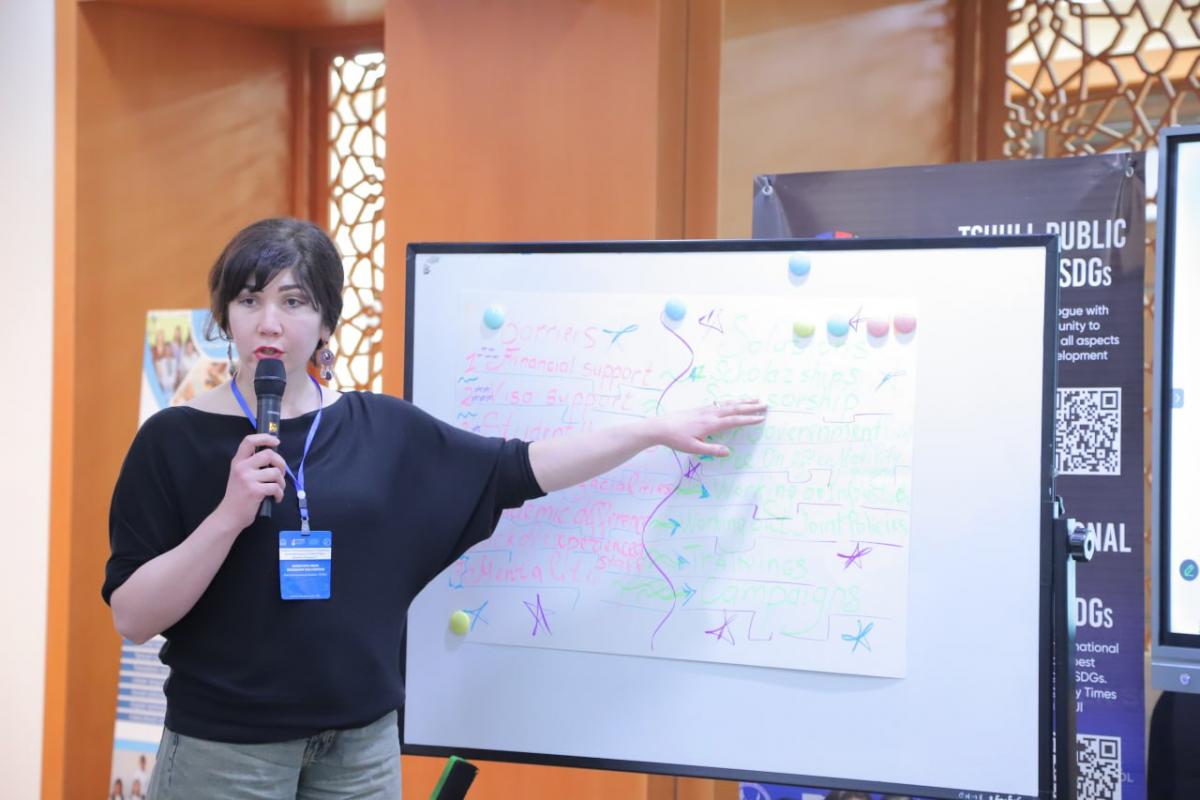
The EU’s Technical Assistance Mission aims to provide HERE experts with practical and methodological support to improve national higher education systems. This seminar became an important step toward advancing inclusive international policies in Uzbekistan’s higher education, expanding access to international opportunities, and strengthening principles of equity for all learners.