



Yunus Emre Turkish Cultural Center Opens at TSUULL
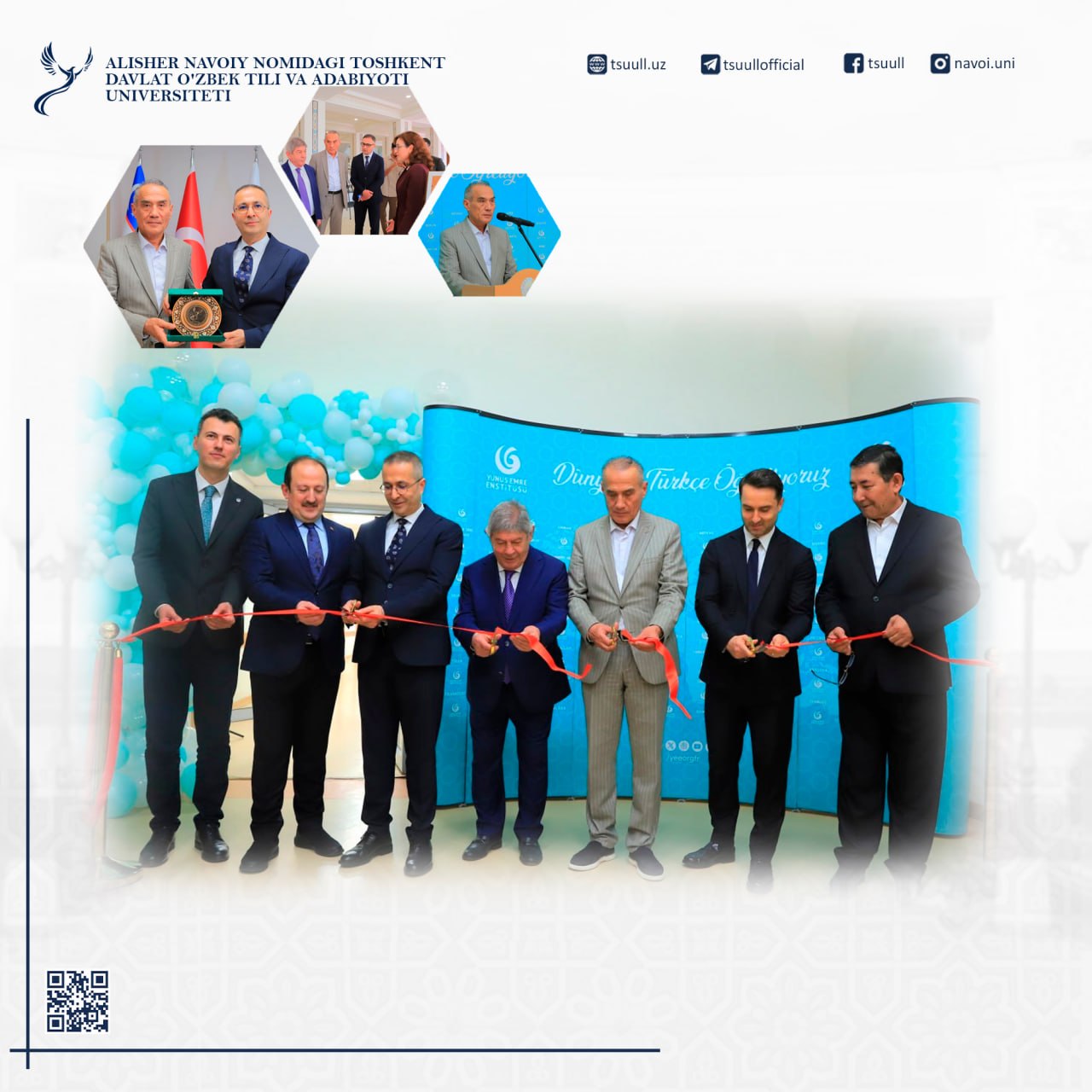
On April 28, the official opening ceremony of the Tashkent office of the Yunus Emre Institute was held at the Alisher Navo’i Tashkent State University of Uzbek Language and Literature.
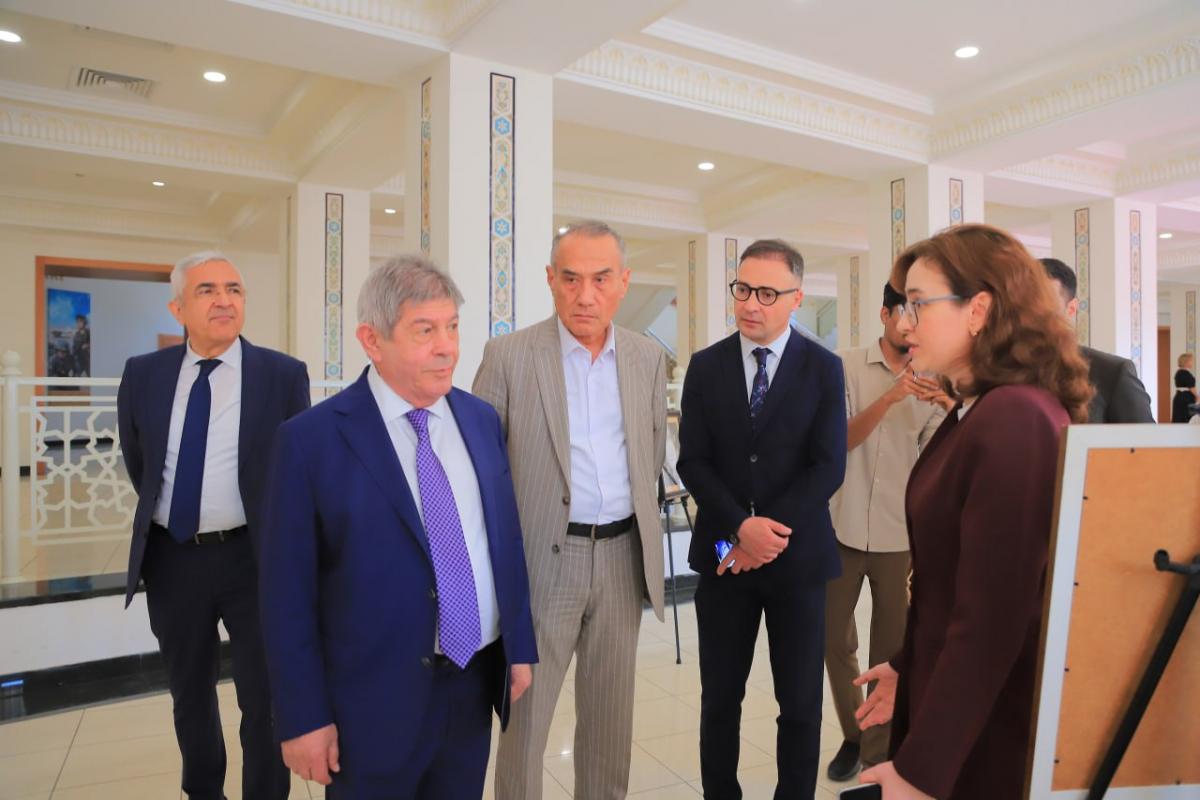
The event began with an exhibition of tezhip — the traditional art of manuscript illumination with gold ornamentation, an integral part of Eastern book culture. The exquisite pieces on display offered guests a glimpse into the refined artistic heritage of the Turkish people and set an elegant tone for the occasion.
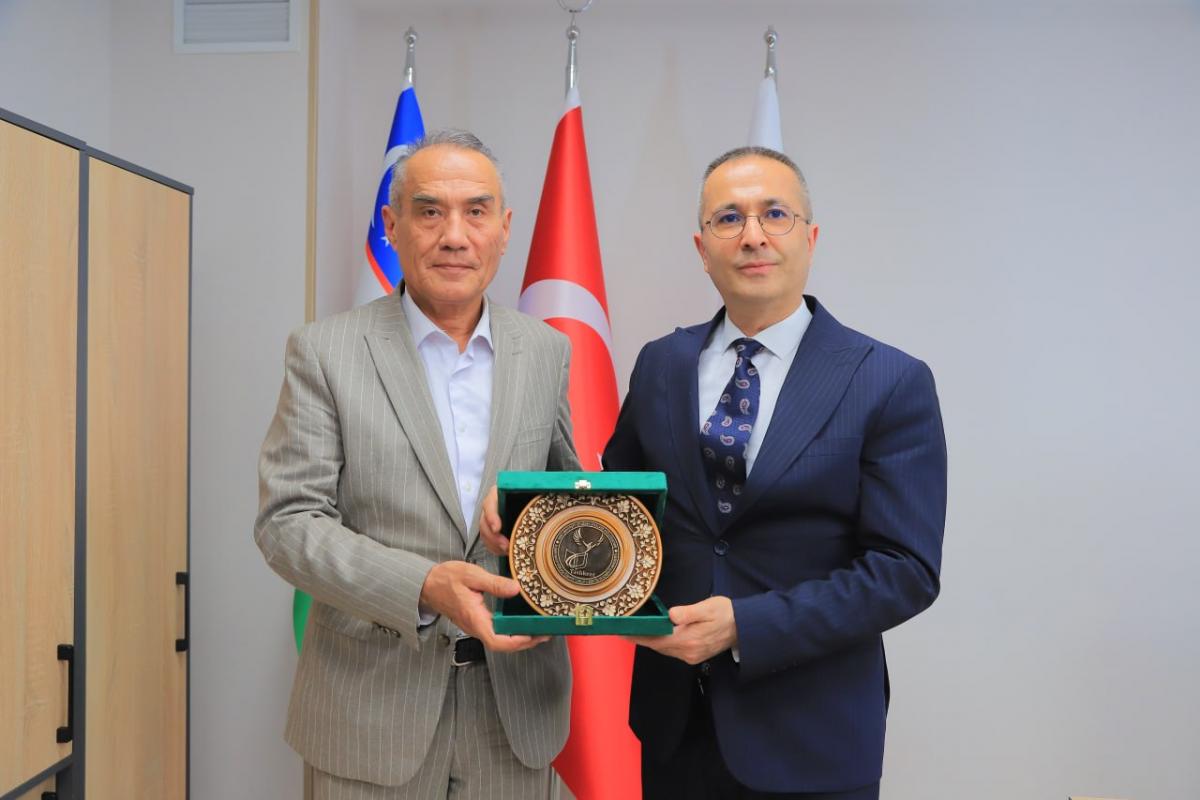
The ceremony brought together scholars, media representatives, and students from Uzbekistan and Türkiye. Among the distinguished guests were H.E. Ufuk Ulutaş, Ambassador Extraordinary and Plenipotentiary of the Republic of Türkiye to Uzbekistan; H.E. Huseyn Guliyev, Ambassador of the Republic of Azerbaijan; Prof. Abdurrahman Aliy, Director of the Yunus Emre Institute; and Isajon Sultonov, Adviser to the Minister of Higher Education, Science and Innovation.
Speakers emphasized that the opening of the center marks an important milestone in the deepening of Uzbek–Turkish relations, which are currently experiencing dynamic growth thanks to the high level of mutual trust between the President of the Republic of Uzbekistan, Shavkat Mirziyoyev, and the President of the Republic of Türkiye, Recep Tayyip Erdoğan.
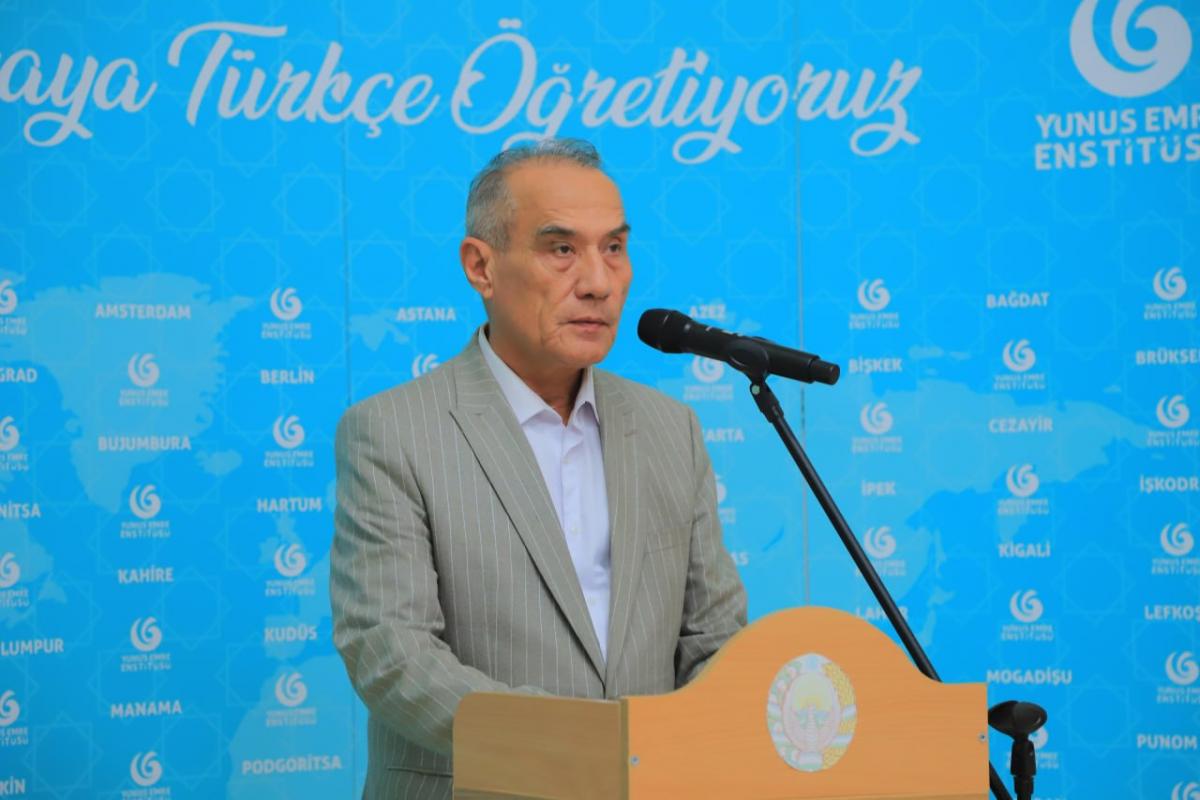
In his remarks, Rector of the university, Professor Shukhrat Sirojiddinov, noted that the new center should be seen not only as a venue for learning the Turkish language, but also as a platform for academic dialogue, cultural exchange, and the development of joint educational initiatives. He stressed that the center will bring together researchers, young scholars, and creative minds interested in the legacy of Alisher Navo’i and Yunus Emre.
In recent years, cultural ties between the two countries have intensified significantly. The unveiling of a monument to Alisher Navo’i in Ankara and the establishment of an “Uzbek Mahalla” in Türkiye’s Hatay province stand as vivid symbols of the shared cultural and spiritual roots of the two nations.
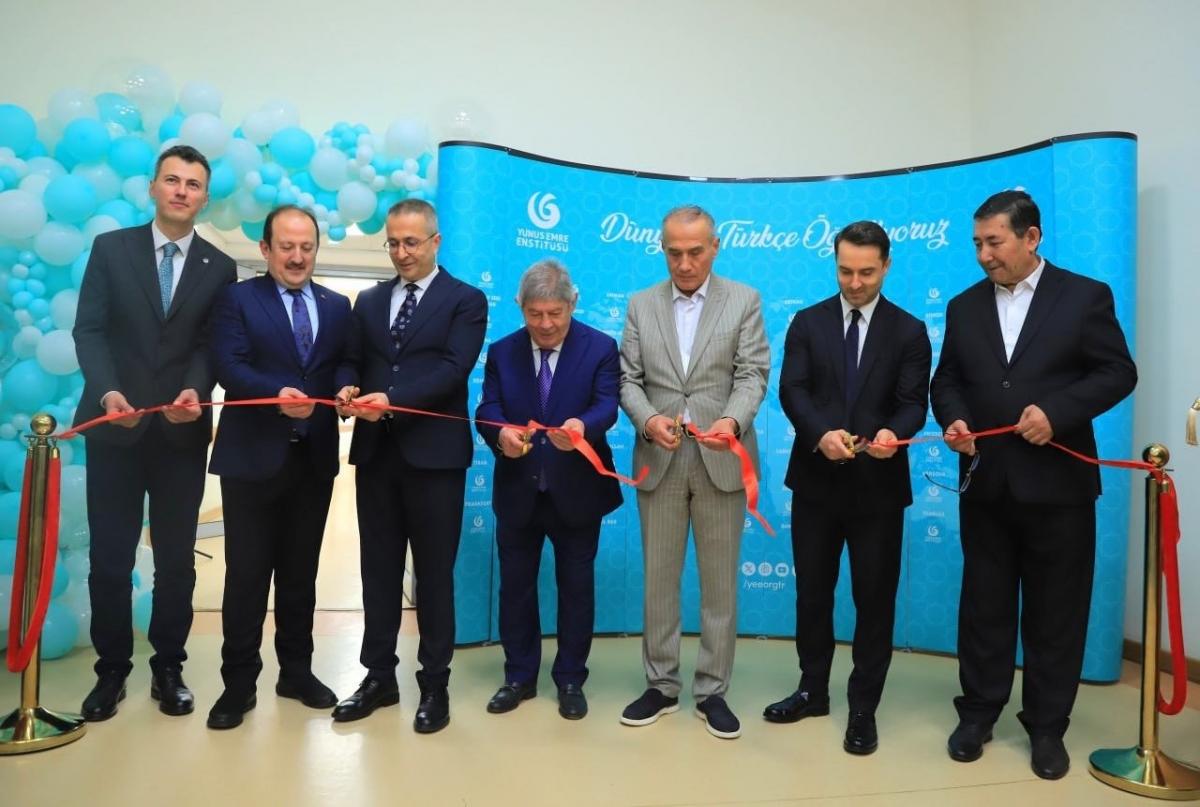
The Yunus Emre Institute, with its extensive global network of over 90 cultural centers in 70 countries, plays a key role in promoting the Turkish language and culture worldwide. The choice of TSUULL as the host institution for its Tashkent office is no coincidence. The university has consistently pursued a strategy of promoting the Uzbek language and national heritage on the international stage. On its initiative, Alisher Navo’i centers have already been established in cities such as Bursa, Ganja, Osh, Dushanbe, and Venice, while an Uzbek Studies program is successfully running at Oxford.
The opening of the Yunus Emre Center in Tashkent marks a natural continuation of these efforts and opens up new opportunities for advancing humanitarian cooperation and strengthening intellectual ties across the Turkic world.