



A Significant Step Toward Enhancing Research Activities
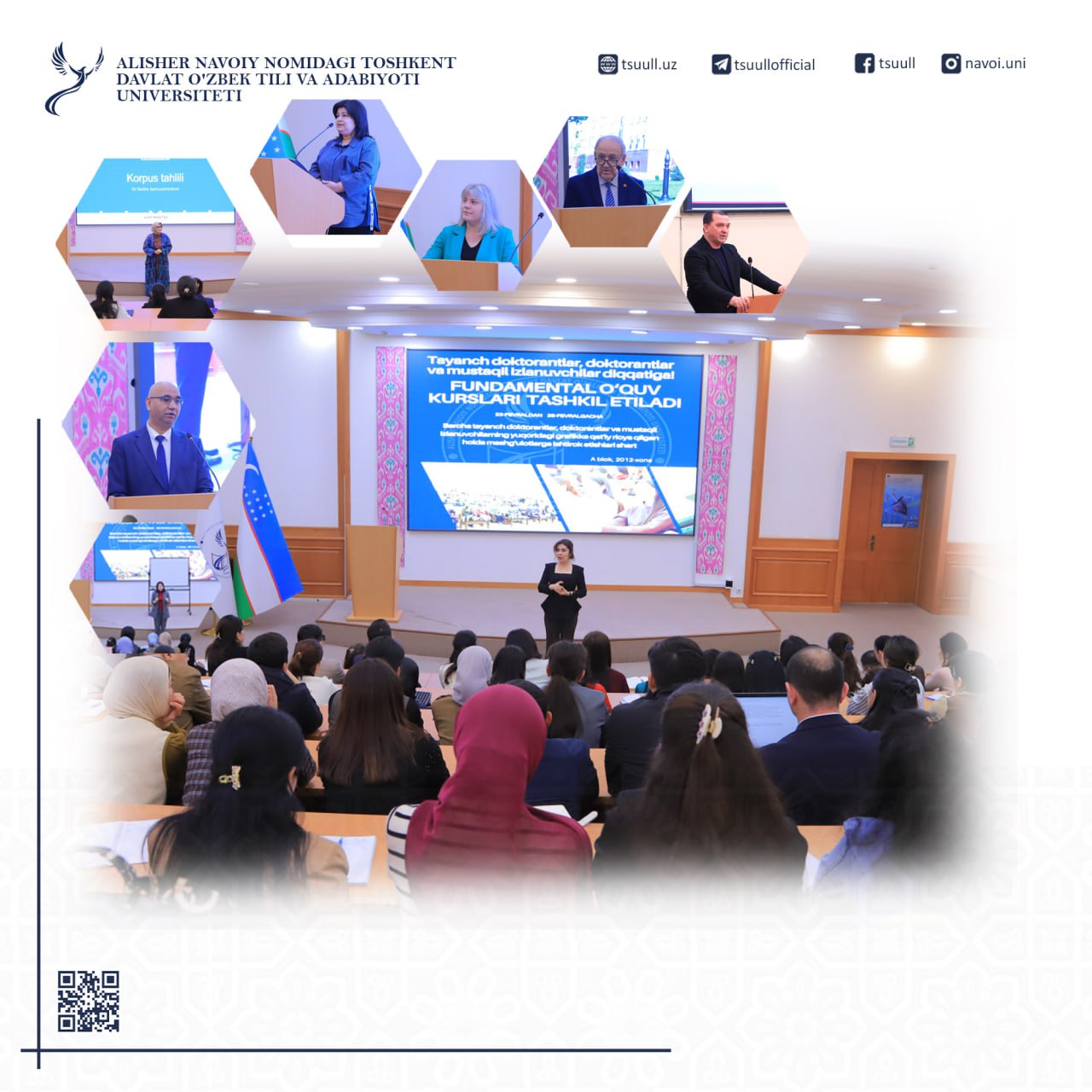
For the first time, Alisher Navo’i Tashkent State University of Uzbek Language and Literature organized a series of fundamental training courses for PhD candidates, doctoral students, and independent researchers. The week-long program was designed to improve research competencies, strengthen methodological knowledge, and promote the practical application of modern scientific approaches.
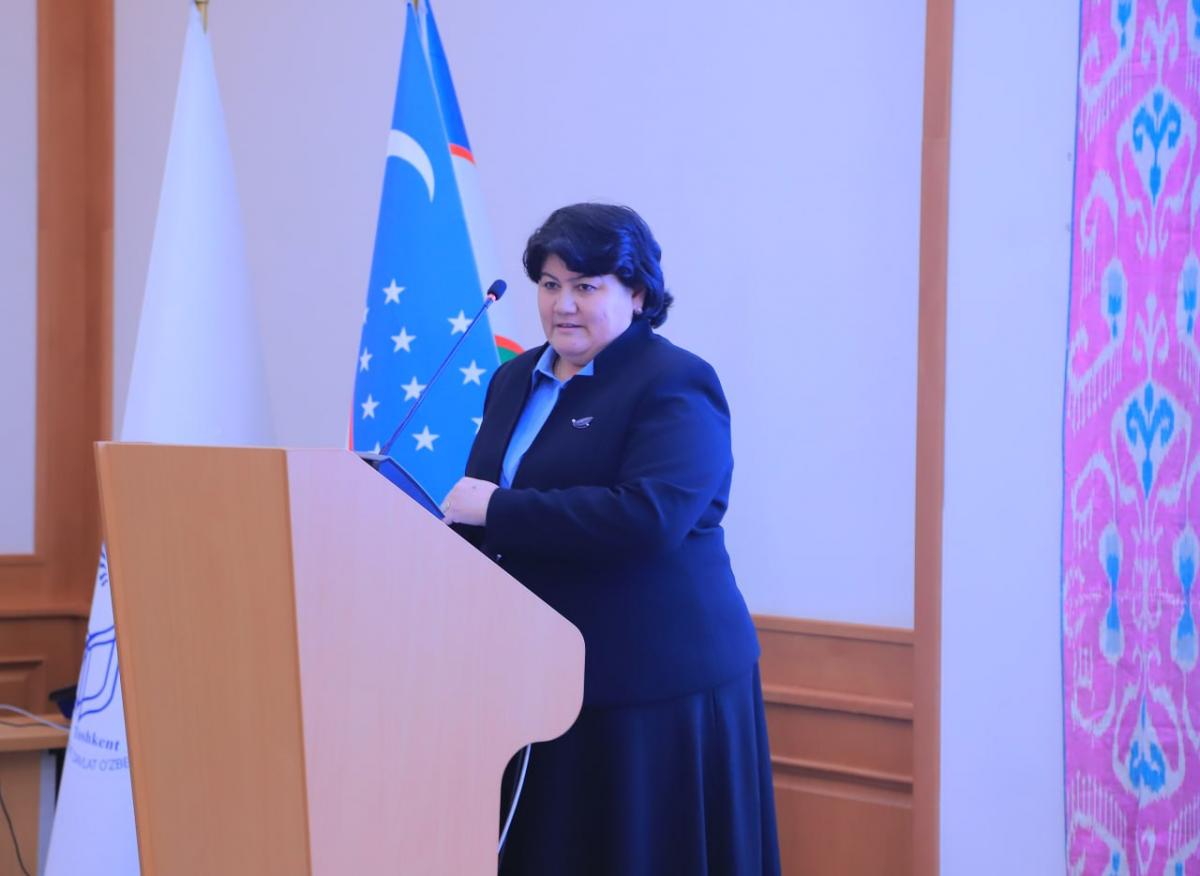
Within the framework of the courses, faculty members delivered lectures on a wide range of актуальные topics. Professor Klara Mavlanova provided practical guidance on defining research strategies, identifying scientific problems, and selecting appropriate methodologies. Professor Bahodir Karimov elaborated on methods in literary studies, emphasizing the importance of choosing the right methodological framework in scholarly research. Professor Zulxumor Xolmanova presented practical recommendations on structuring academic texts, addressing issues of orthography and style, and developing a culture of scholarly writing.
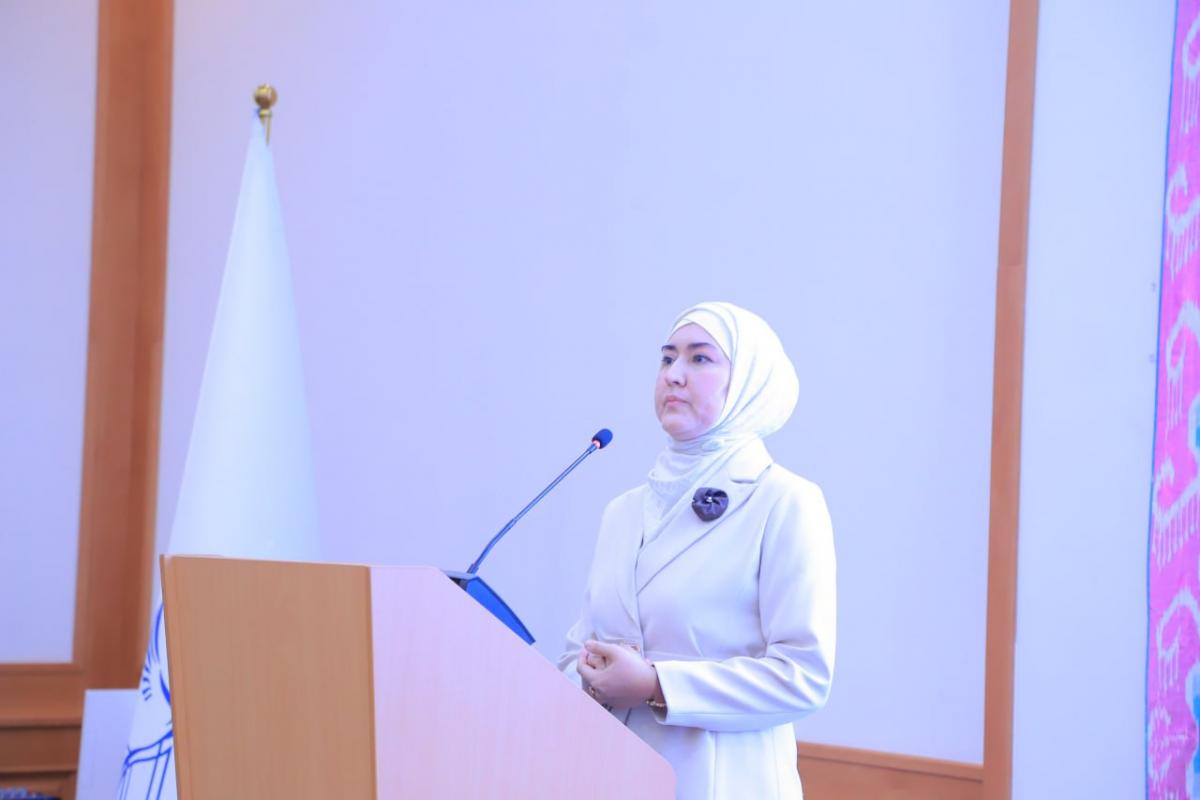
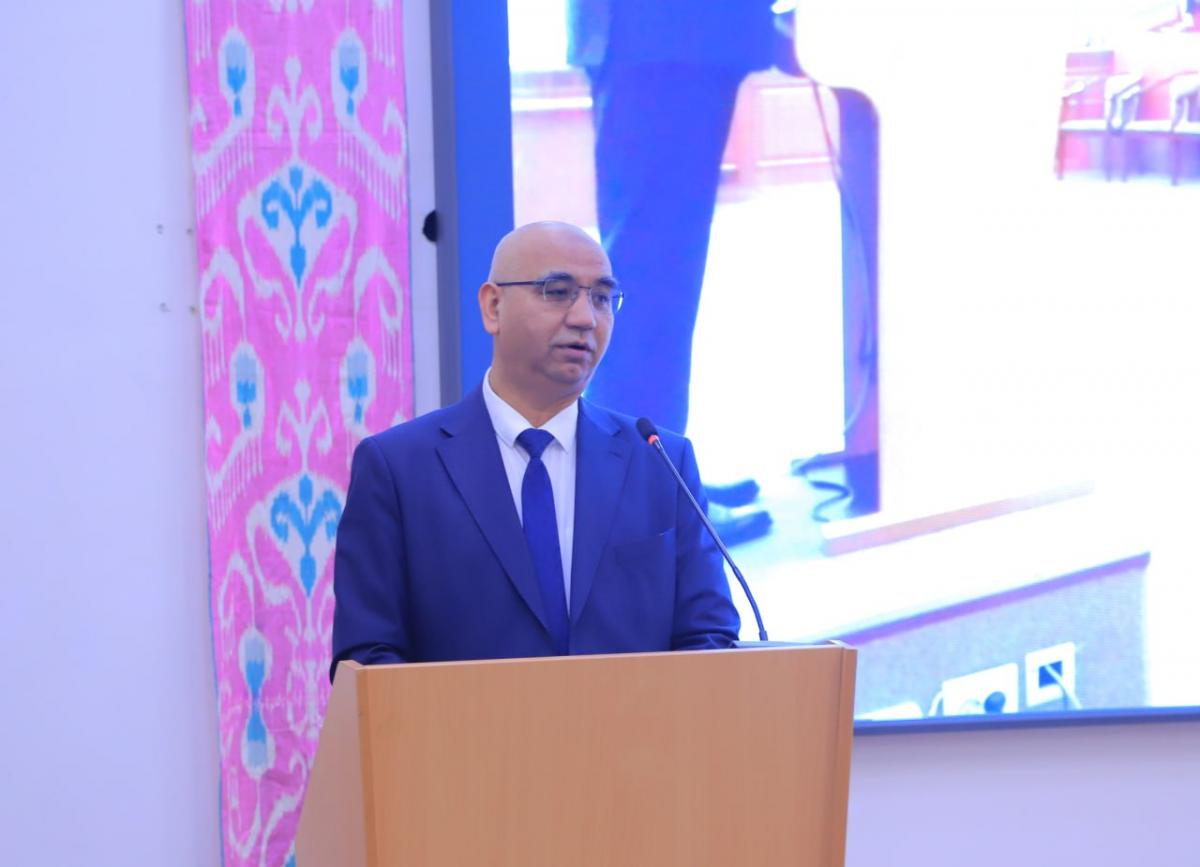
Associate Professor Nodira Isamuhammedova highlighted the use of corpus methods in linguistic and translation studies, stressing the importance of working with digital resources. Professor Margarita Galiyeva explained the theoretical foundations and practical applications of conceptual analysis, illustrating her points with examples. Associate Professor Visola Tashpulatova discussed key principles of conducting research in translation studies and the effective use of international experience. Associate Professor Nargiza Mahmudova delivered a lecture on emerging trends in modern literary studies, including theoretical and comparative research, interdisciplinary approaches, as well as empirical and digital methodologies.
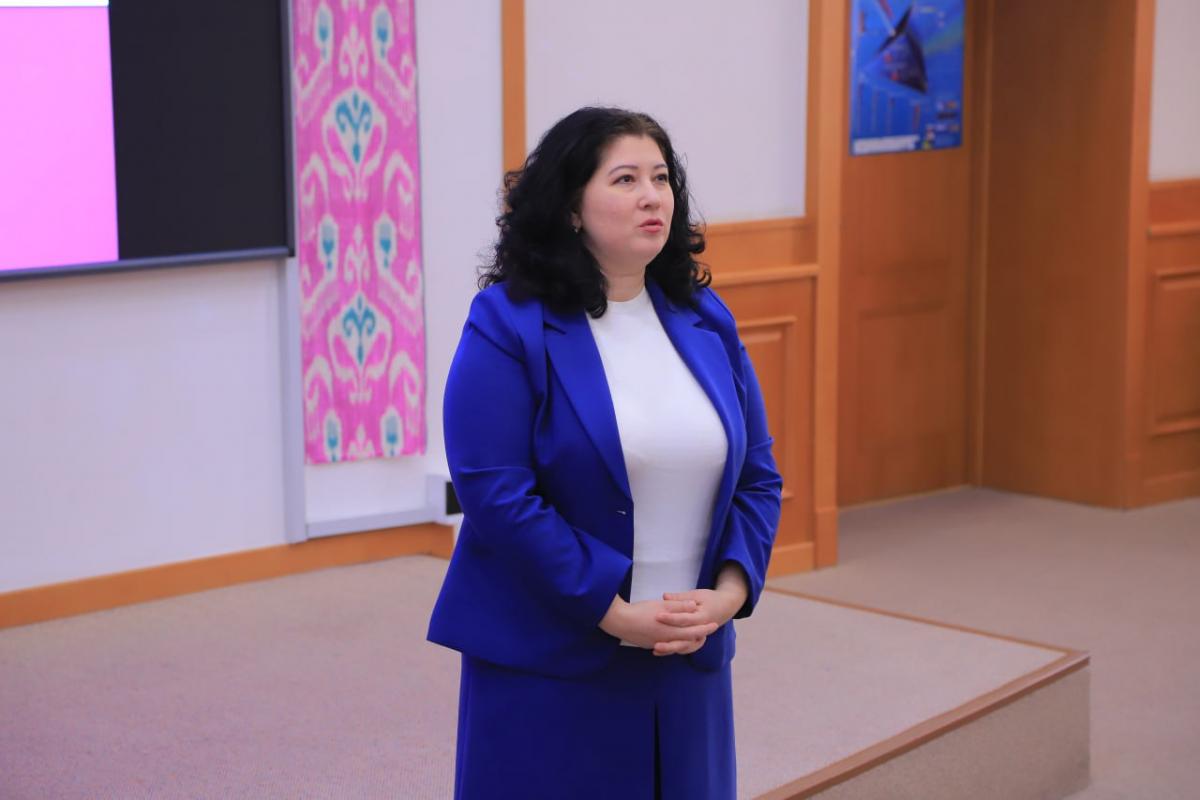
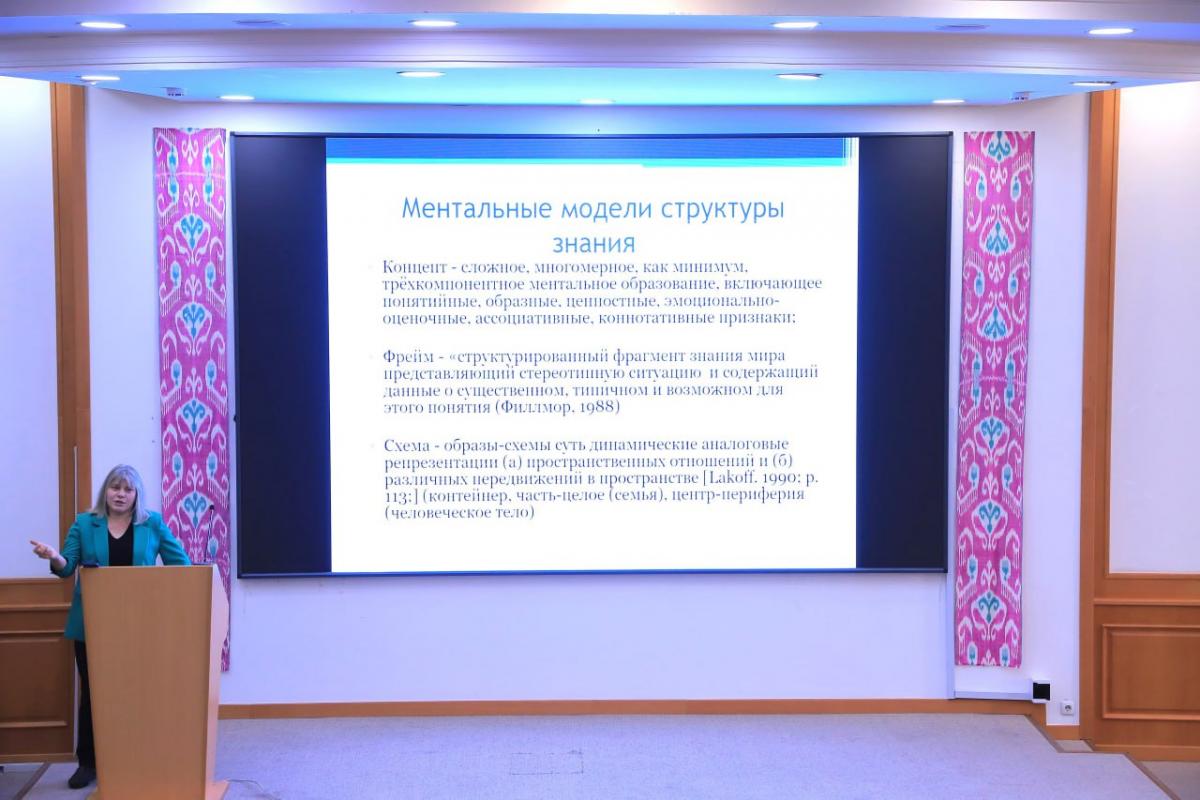
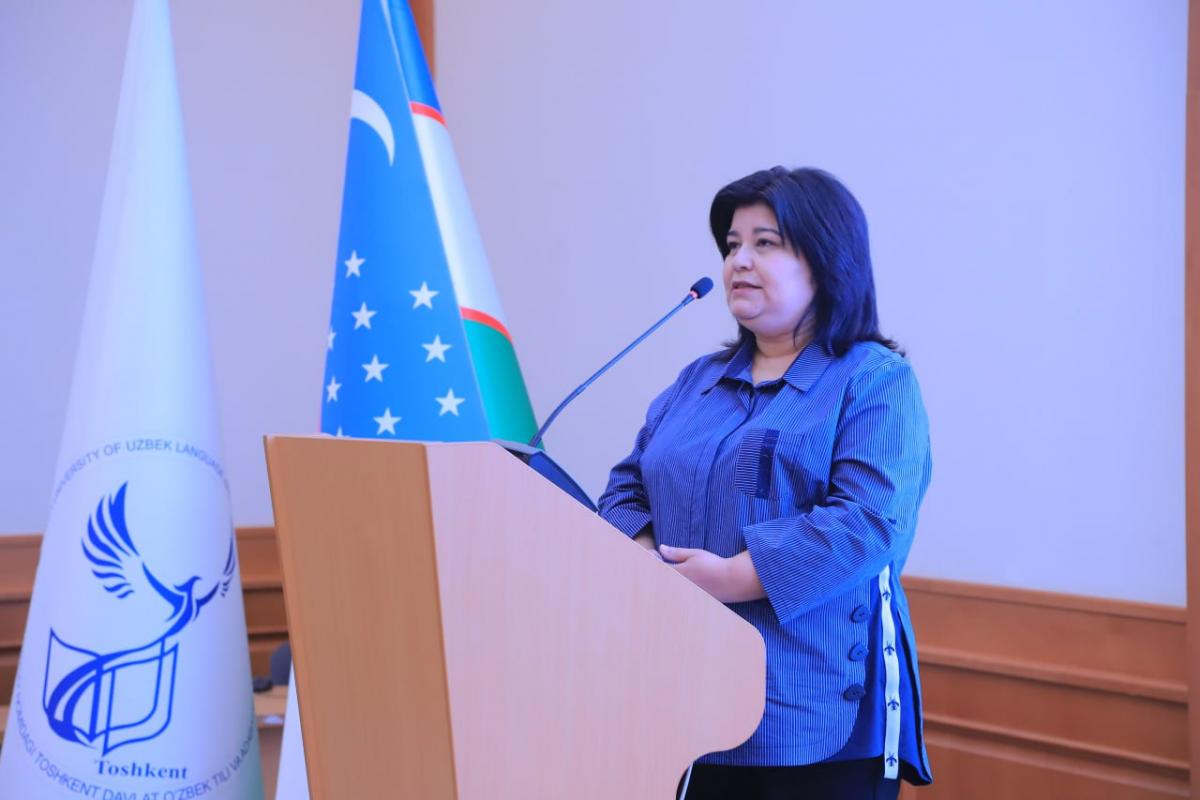
Professor Dilnavoz Yusupova offered recommendations and proposals related to literary research. Associate Professor Nazokat Yusufjonova explained effective ways of applying Bloom’s taxonomy in the pedagogical process, focusing on improving both academic and teaching approaches. Professor Hamidulla Dadaboyev addressed strategies for raising the quality of research to meet international standards. Associate Professor Iroda Azimova introduced the foundations of neurolinguistic and psycholinguistic research and discussed перспективы современных научных направлений. Associate Professor Botir Elov provided practical guidance on writing articles indexed in the SCOPUS database and outlined key criteria for engaging with international scientific platforms.
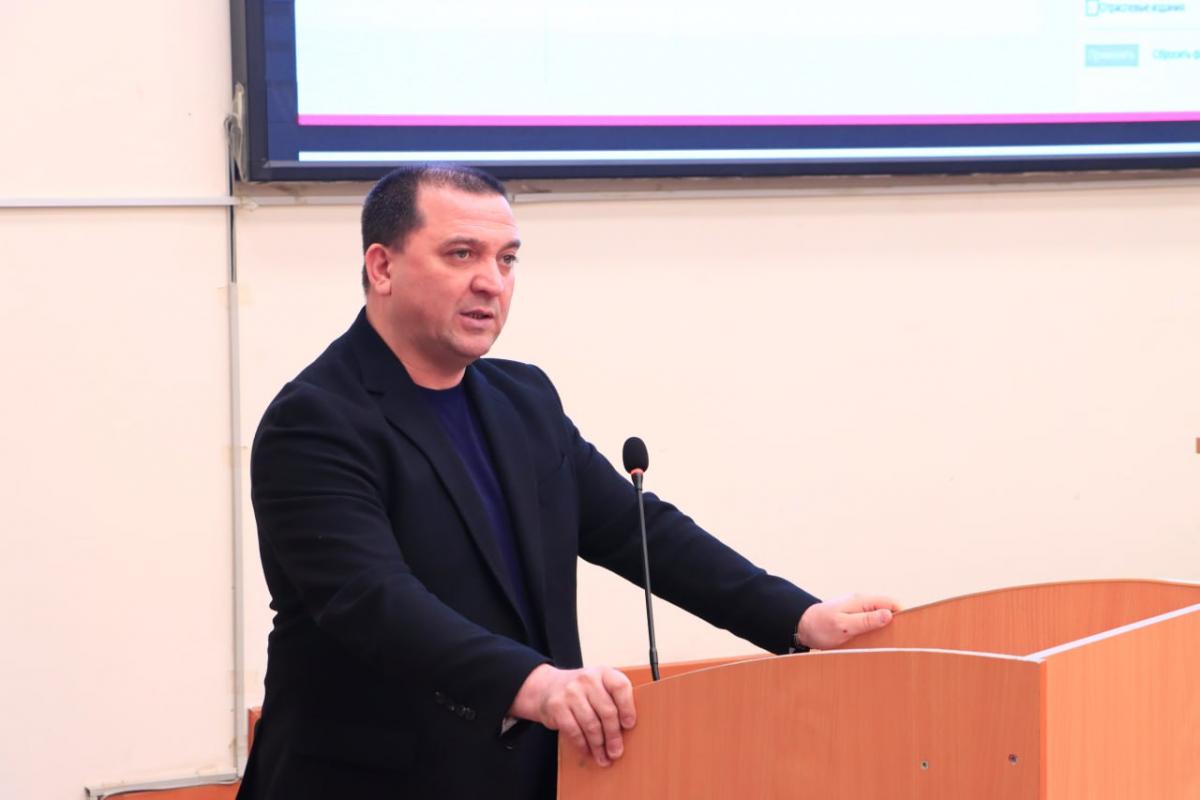
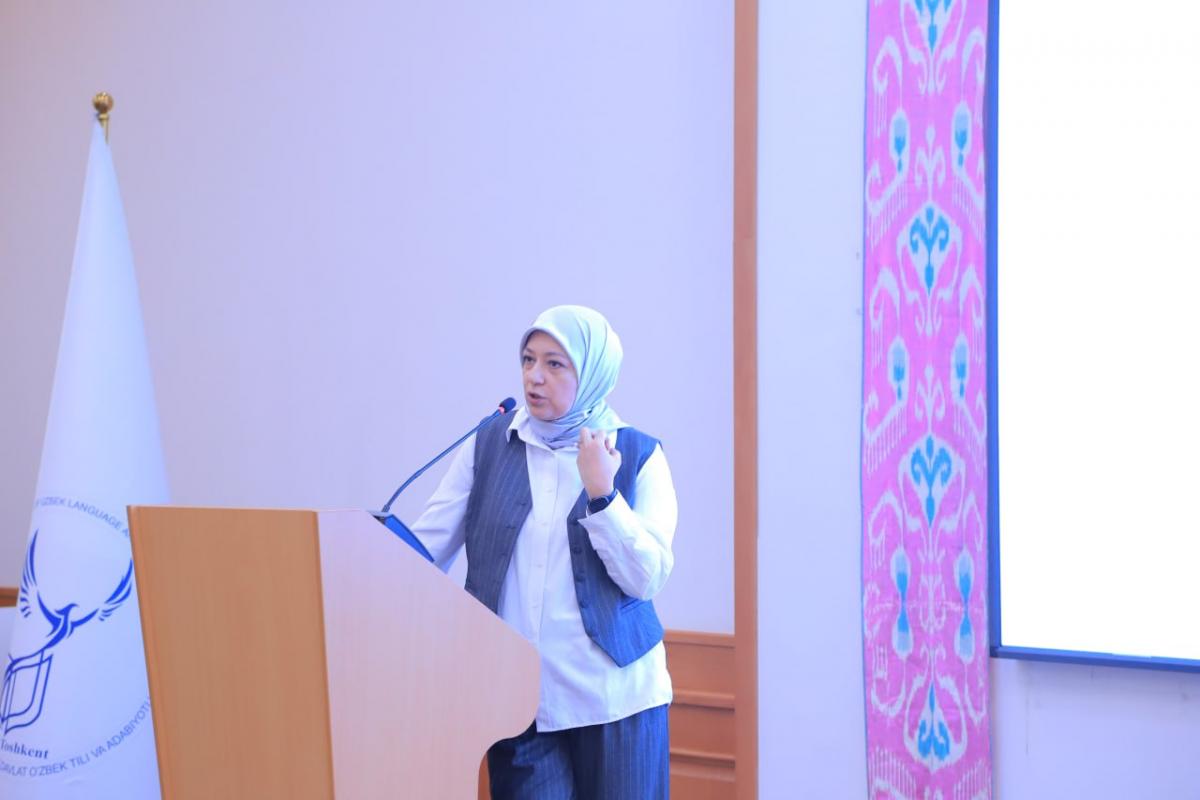
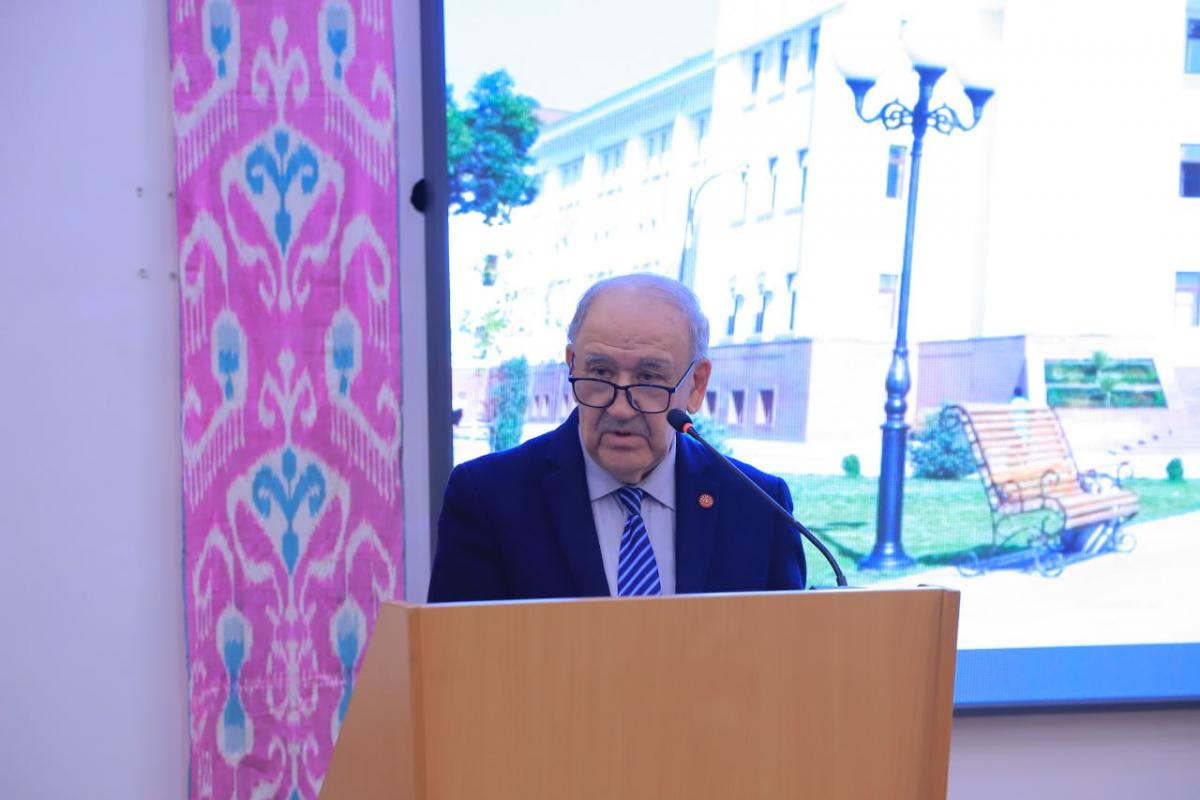
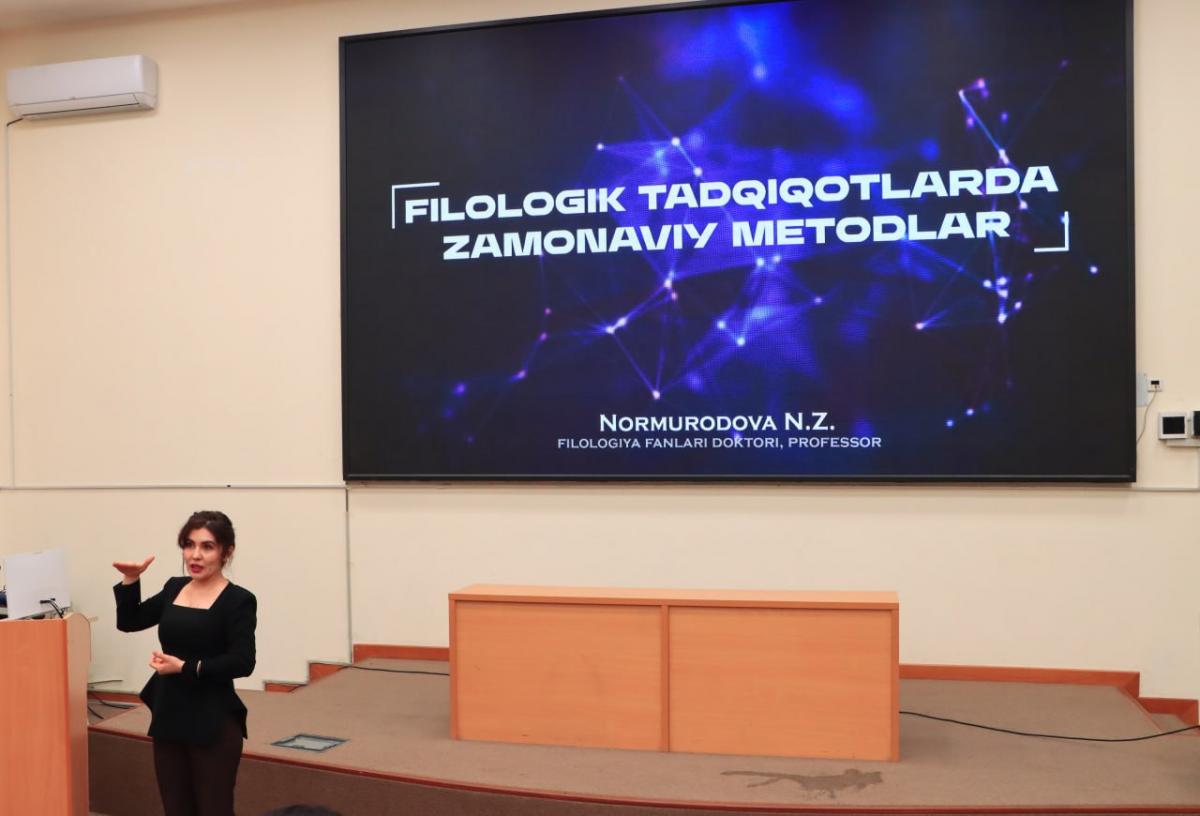
It is particularly noteworthy that the lecture by Professor Nozliya Normurodova, titled “Modern Methods in Philological Research,” played a central role in shaping the conceptual framework of the courses. The lecture offered an in-depth analysis of methodological thinking in contemporary philology, interdisciplinary approaches, theoretical grounding, and conceptual coherence. It also expanded perspectives on innovative approaches to analysis and interpretation, and outlined pathways for achieving international recognition of research outcomes.
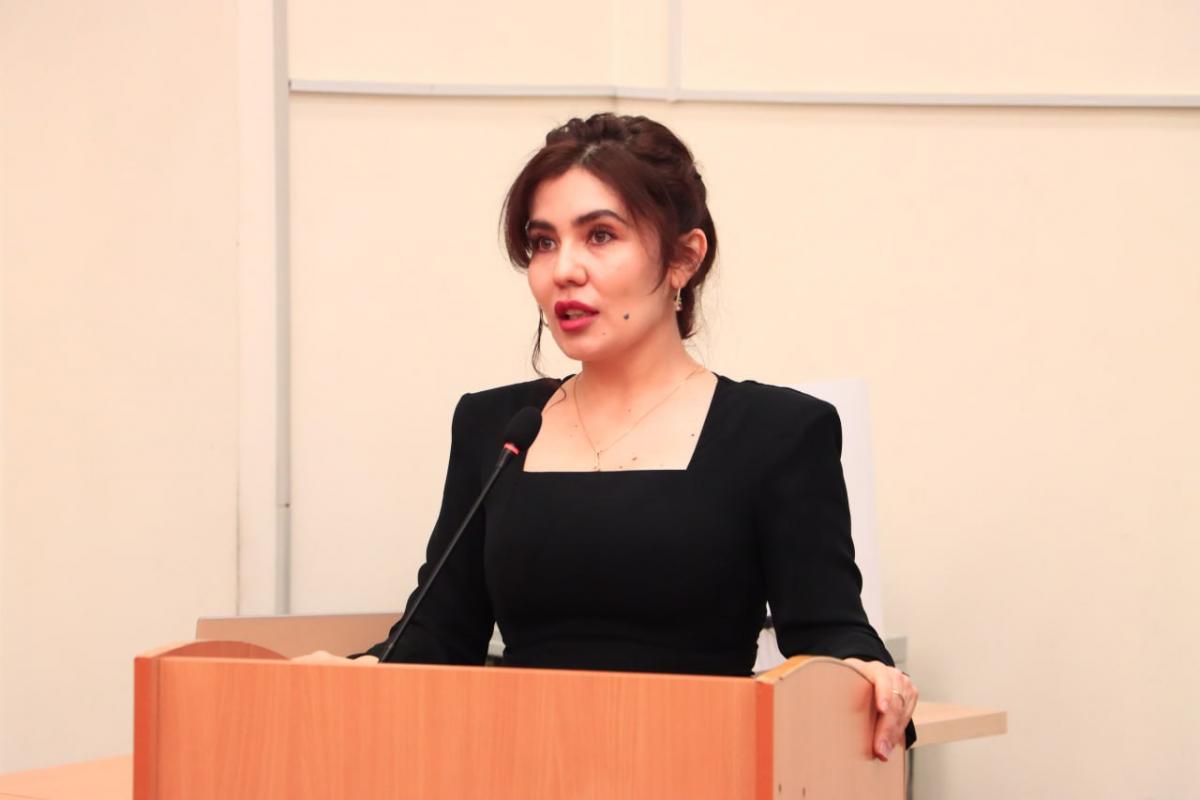
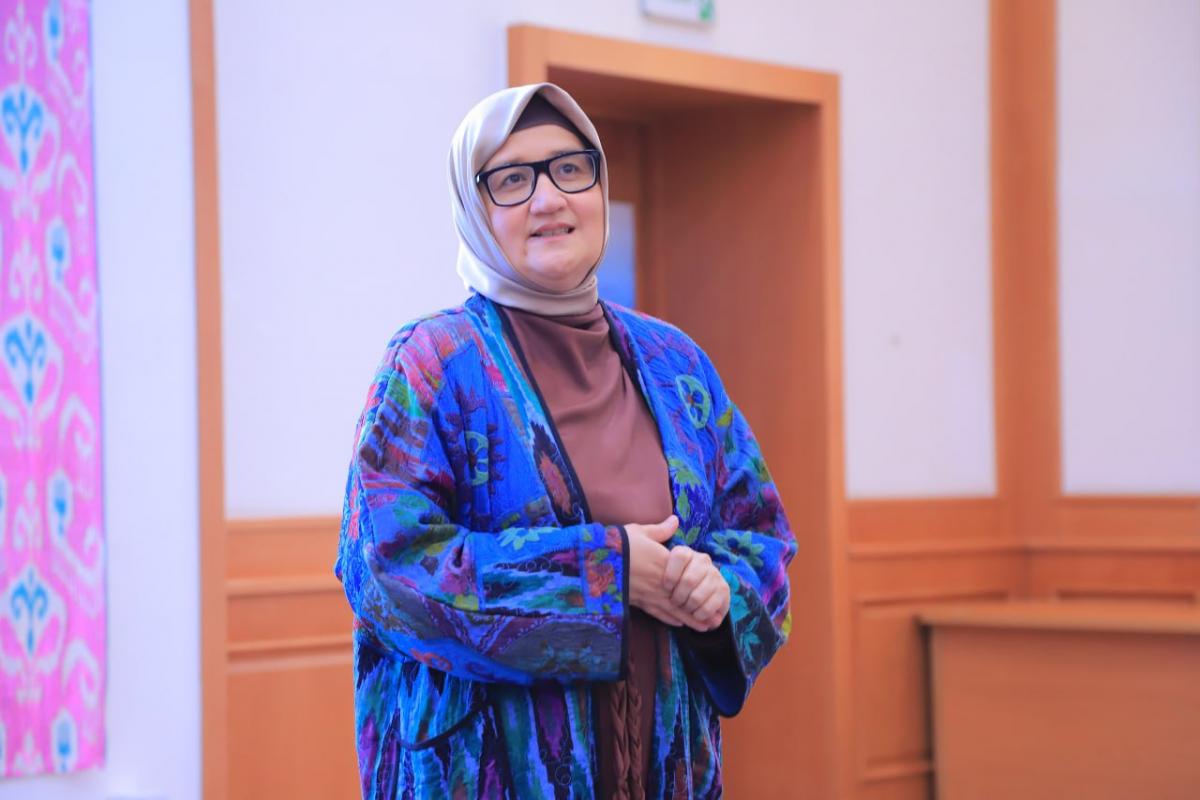
The sessions were conducted in an interactive format, incorporating discussions and Q&A segments, and provided participants with clear, practical recommendations.
These fundamental training courses marked an important milestone in enhancing the methodological literacy of young researchers, developing their scientific thinking, and equipping them with the skills necessary to conduct competitive research at the international level. The initiative contributes significantly to strengthening the academic and research environment at the university.